
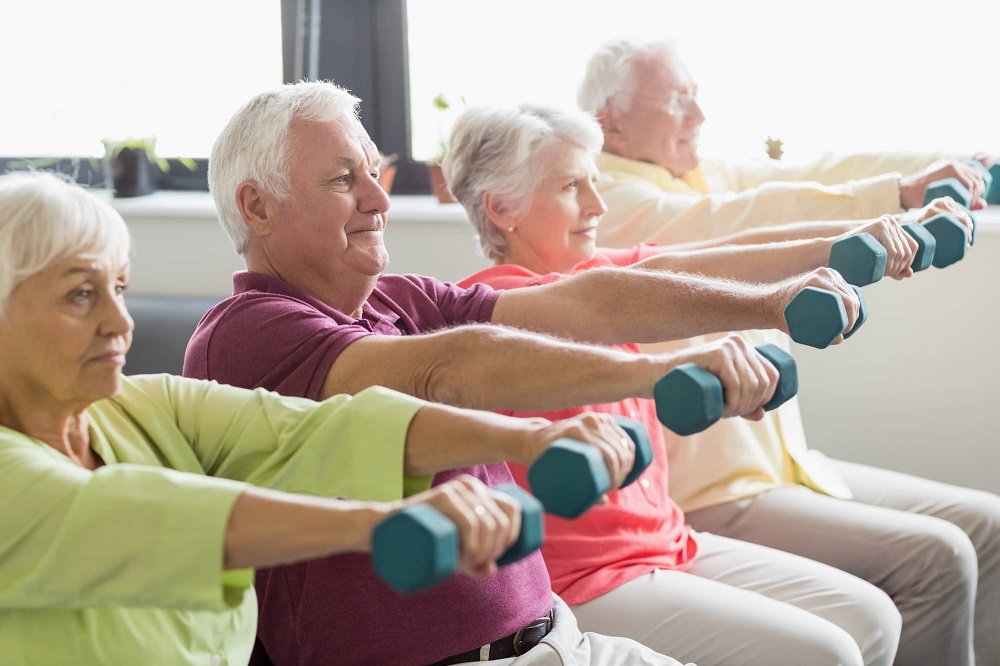

Aging does not remove the need for strength. In many ways, it makes strength more important. Older adults need the ability to stand, walk, climb stairs, carry items, recover from small slips, and move with confidence. Fitness at this stage should not be about chasing extreme workouts. It should be about maintaining the physical qualities that protect independence.
A thoughtful fitness trainer singapore program can help older adults train power, balance, mobility, and strength in a safe and progressive way. The goal is not to train like a young athlete. The goal is to build a body that feels capable in daily life.
Why Power Matters as People Age
Strength is the ability to produce force. Power is the ability to produce force quickly. Power matters because life often requires quick reactions. If someone trips slightly, they need to step quickly. If they climb stairs, they need the legs to respond. If they carry something, they need enough strength and control to manage the load.
Power tends to decline with age if it is not trained. The good news is that it can be supported through suitable exercises.
Power training for older adults should be safe, controlled, and matched to ability. It does not need to involve risky jumping or heavy explosive lifting.
Balance Is a Trainable Skill
Balance is not fixed. It can improve with practice. Many older adults lose confidence because they feel unsteady. That lack of confidence may cause them to move less, which can make balance worse over time.
Training balance can include controlled single-leg work, step-ups, supported movements, walking drills, and core stability. The exercises should be challenging enough to create improvement but safe enough to avoid fear.
A trainer can provide support and progression.
Strength Training Supports Independence
Strength training helps older adults maintain muscle and perform daily tasks more easily. It can support getting up from chairs, carrying bags, climbing stairs, and walking with better control.
Useful strength movements may include leg press, seated rows, chest press, step-ups, hip hinges, glute bridges, and controlled core exercises. The plan should be adjusted for joint comfort and experience.
The goal is not maximum weight. It is useful strength.
Mobility Helps Movement Feel Easier
Mobility affects how freely the body moves. Older adults may feel restricted in the hips, shoulders, back, or ankles. Gentle mobility work can help restore comfort and improve exercise quality.
Mobility should not be forced. It should be gradual and controlled. A few minutes of movement before training can make a major difference in how the body feels.
Yoga, stretching, and guided mobility sessions can also support this goal.
Confidence Is a Fitness Outcome
For older adults, confidence is not a small thing. Feeling physically capable can change how someone approaches daily life. They may walk more, travel more comfortably, take stairs with less hesitation, and participate in activities they might otherwise avoid.
Training should build confidence step by step. Each successful session matters.
A good program should leave the person feeling challenged, not frightened.
Start With Current Ability
Older adults have different starting points. Some are active and experienced. Others may be returning after years of inactivity. Some may have joint concerns or medical conditions. The program should begin where the person is now.
An assessment may include movement, balance, strength, mobility, and health history. Medical clearance may be needed for certain conditions.
Starting slowly is not a weakness. It is a smart way to build trust.
Low-Impact Cardio Has Value
Cardio supports stamina and heart health. Older adults do not need to rely on high-impact activity to build fitness. Cycling, walking, elliptical training, and moderate machine work can all be useful.
The right cardio should feel manageable and repeatable. It should improve energy, not create fear or excessive fatigue.
Cardio can also support social routine when done through classes or guided sessions.
Reaction and Coordination Can Be Practiced
Daily life requires coordination. Turning, stepping, reaching, and changing direction all need body awareness. Training can include gentle coordination drills, controlled stepping patterns, and light medicine ball work if suitable.
These exercises should be supervised when balance is a concern.
The goal is to help the body respond more confidently.
Recovery Needs More Respect
Older adults may need more recovery between harder sessions. This does not mean they are fragile. It means the program should allow adaptation.
Good recovery includes sleep, hydration, balanced meals, gentle movement, and rest days. Training frequency should match the person’s ability to recover.
A sustainable routine is better than an intense plan that causes long breaks.
Avoiding the Fear of Strength Training
Some older adults worry that weights are dangerous. Poorly chosen exercises can be risky, but appropriate strength training can be highly useful. Machines, light dumbbells, cables, and supported exercises can provide safe resistance.
A trainer can teach technique and choose exercises that match comfort and ability.
The weights area should not feel off-limits.
Training Should Support Daily Tasks
A practical program should connect with real life. If someone struggles with stairs, leg strength and balance matter. If carrying groceries feels difficult, grip and upper-body strength matter. If getting up from a chair is hard, squats or sit-to-stand patterns matter.
Fitness becomes more meaningful when it solves daily problems.
Social Motivation Can Help
Some older adults enjoy training more when there is a social element. This may come from classes, small-group sessions, or simply seeing familiar faces at the gym. Social routine can improve consistency.
However, training should not become competitive unless the person enjoys that. The focus should remain on personal progress.
A Practical Weekly Routine
A balanced routine for older adults may include two strength sessions, one or two cardio sessions, mobility work, and daily walking when possible. Balance drills can be included in warmups or dedicated sessions.
The exact plan should be personalized. The best routine is one that the person can follow safely and consistently.
Building Confidence for the Years Ahead
Fitness for older adults is about preserving choices. The stronger and more mobile a person feels, the more life options remain open. Training can support travel, hobbies, family time, and independent movement.
For those comparing fitness support, True Fitness Singapore may be relevant when looking for a structured indoor environment where older adults can train strength, balance, mobility, and confidence with guidance.
FAQ
Is strength training safe for older adults?
It can be safe when exercises are appropriate, technique is guided, and progression is gradual. Medical clearance may be needed for some conditions.
Why is balance training important with age?
Balance supports confidence, walking ability, and fall prevention awareness. It can be improved through practice.
Do older adults need power training?
Power can support quick reactions and functional movement, but it should be trained safely and progressively.
How often should older adults exercise?
Many older adults benefit from several days of movement each week, including strength, cardio, mobility, and balance work. The plan should match individual ability.

Comments are closed.