
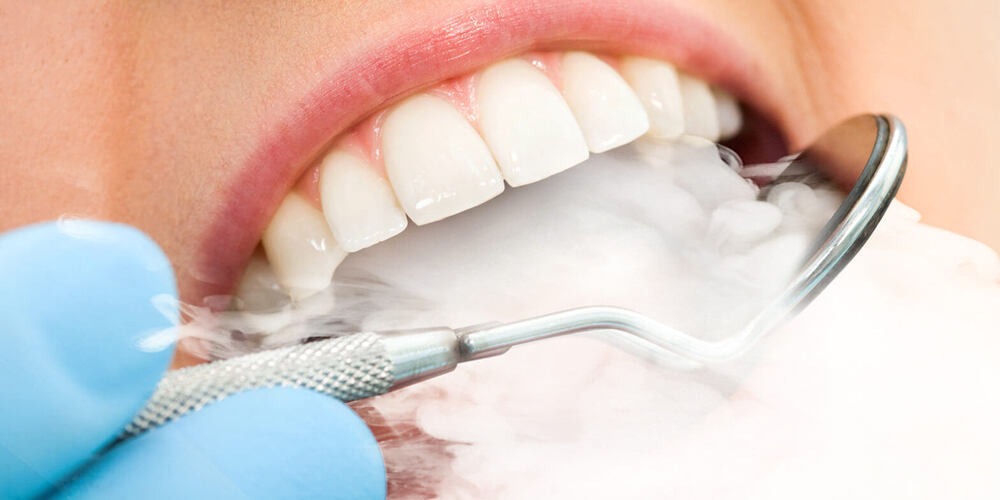

Vaping has become increasingly popular among teenagers, often marketed as a safer alternative to smoking. However, dental professionals are raising concerns that vaping is not harmless and may contribute to a range of oral health problems, including injuries that are less commonly recognised. While most public health campaigns focus on lung health, dentists are uniquely positioned to spot early signs of damage to teeth, gums, and oral tissues, and are increasingly warning teenagers about the risks.
One of the primary concerns is the impact of vaping on oral tissues. The chemicals in e-liquids, including nicotine, flavouring agents, and propylene glycol, can dry out the mouth, reduce saliva flow, and create an environment conducive to cavities and gum disease. Dry mouth makes teeth more vulnerable to decay and can contribute to enamel erosion, particularly when combined with sugary or acidic vaping liquids. In extreme cases, this can lead to weakened teeth that are more prone to fracture from everyday activities or minor trauma. Nevertheless cosmetic dentistry may be required to tidy up even minor damage.
Dentists have also observed mechanical injuries associated with vaping devices. Misuse, device malfunctions, or improper handling can lead to burns, lacerations, or blunt-force injuries to the lips, cheeks, and tongue. Reports have surfaced of vaping devices exploding or overheating, causing oral trauma, chipped teeth, or even facial injuries. While these events are relatively rare, they highlight a risk that is unique to vaping compared with traditional smoking.
Another concern relates to habits associated with vaping. Many teenagers inhale repeatedly and hold the vapour in the mouth longer than they would smoke, which can increase contact between harmful chemicals and oral tissues. Additionally, teenagers who vape frequently may be less likely to maintain good oral hygiene, either due to behavioural patterns or lack of awareness about the risks. This combination of chemical exposure and behavioural factors increases the likelihood of cavities, gum irritation, and soft tissue damage.
Dental professionals emphasise that education and early intervention are key. Routine dental visits provide an opportunity to talk directly to teenagers about vaping and its oral health consequences. Dentists dentists playing their part in prevention can show visible signs of enamel wear, gum inflammation, and early decay, making the risks tangible. By connecting these issues to aesthetics, comfort, and long-term oral health, teenagers may be more likely to reconsider their vaping habits.
Parents also play a critical role. Encouraging open conversations about vaping, monitoring device use, and supporting oral hygiene can help prevent dental injuries. Schools and community programs can complement these efforts by integrating dental perspectives into broader anti-vaping campaigns.
Ultimately, dentists are sounding the alarm because the oral consequences of vaping are real, often preventable, and sometimes immediate. From enamel erosion and gum disease to accidental burns and fractured teeth, vaping poses risks that extend far beyond the lungs. By educating teenagers, parents, and communities, dental professionals aim to reduce preventable injuries, promote healthier habits, and protect young smiles before more serious damage occurs.
Vaping may seem harmless, but the teeth tell a different story—and dentists are ensuring teenagers hear that message loud and clear.

Comments are closed.