

Thinking about improving your smile with composite veneers but unsure what affects the overall price? You’re not alone. Many people love the idea of achieving a brighter, more even smile, but the cost often feels confusing. Why do some clinics charge more than others? What exactly influences the price?
Let’s break it all down in simple, friendly language so you can understand what truly impacts composite veneers cost—and make the best decision for your smile.
1. What Are Composite Veneers?
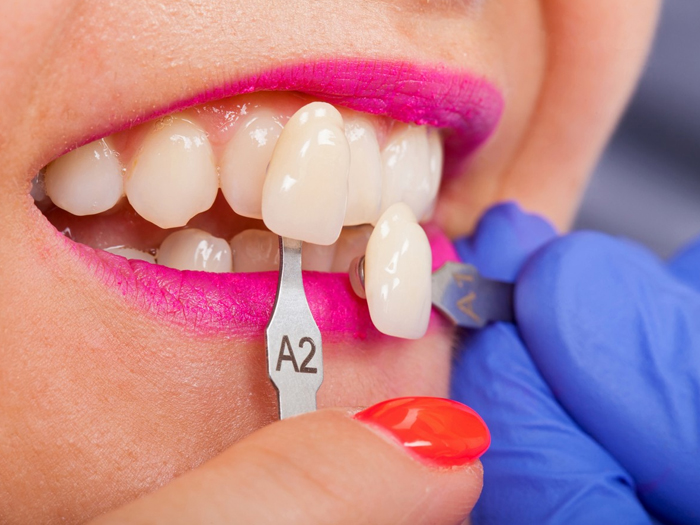
Composite veneers are thin layers of tooth-coloured resin applied to the front of your teeth to improve shape, colour, and overall appearance. They’re known for being affordable, quick, and minimally invasive.
Think of them like giving your teeth a little makeover—similar to adding a fresh coat of paint to brighten a room.
2.Why Composite Veneers Cost Varies
If you’ve seen different prices at different clinics, it’s because several factors influence the final cost. From materials to dentist expertise, each plays a role in shaping the total price.
3. Number of Teeth Being Treated
One of the biggest cost factors is how many veneers you need.
- Single tooth: Affordable and fast
- 6–10 teeth: Common for full smile makeovers
- Upper and lower teeth: More time, more material, higher cost
The more teeth treated, the higher the total cost.
4. Dentist’s Experience and Skill
Just like hiring a builder or a makeup artist—experience matters.
Dentists who specialise in cosmetic work may charge more because they:
- Use advanced techniques
- Create more natural-looking smiles
- Provide long-lasting results
You’re not just paying for the veneer—you’re paying for the artistry.
5. Type and Quality of Composite Material
Composite materials come in different grades. Higher-quality resin:
- Looks more natural
- Resists staining longer
- Has better durability
Premium materials increase the price but often deliver better long-term value.
6. Time Required for the Procedure
Composite veneers are done in one visit, but the time involved varies.
Simple cases:
Quick shaping and layering.
Complex cases:
Multiple layers, artistic sculpting, polishing, and fine-tuning.
More time means more cost.
7. Complexity of the Case
Not all smiles are the same. Your dentist may need to correct:
- Uneven teeth
- Gaps
- Chips
- Discolouration
- Shape mismatches
More intricate work = higher cost. It’s similar to custom tailoring—simple alterations cost less than full redesigns.
8. Location of the Dental Clinic
Where the clinic is located can affect the price:
- City clinics often have higher operating costs
- Suburban clinics may be more affordable
This doesn’t always reflect quality but does influence pricing.
9. Additional Treatments Before Veneers
You may need extra treatments to prepare your teeth, such as:
- Cleaning
- Whitening
- Fillings
- Gum reshaping
These are optional but can raise the final cost if needed.
10. Customisation Level and Design
Highly detailed veneer design can include:
- Precise shaping
- Natural texture
- Layered colour tones
The more personalised the design, the more time the dentist spends crafting your perfect smile.
11. Durability and Longevity Expectations
Higher-cost veneers often last longer because:
- Better materials are used
- Application technique is superior
- Polishing is done meticulously
Cheaper veneers may need earlier replacement.
12. Maintenance and Follow-Up Costs
Composite veneers may require:
- Polishing every 6–12 months
- Occasional touch-ups
- Replacement after several years
These maintenance costs should be considered when budgeting.
13. Comparing Composite vs Porcelain Veneers
Understanding the differences helps you evaluate cost:
Composite Veneers:
- Lower upfront cost
- Done in one visit
- Last 3–7 years
- Can stain over time
Porcelain Veneers:
- Higher upfront cost
- Take multiple visits
- Last 10–15 years
- More stain-resistant
Composite veneers cost less initially but may require more maintenance.
14. Are Cheaper Veneers Worth It?
Cheaper isn’t always better. Low-cost veneers might:
- Use poor-quality materials
- Look less natural
- Chip or stain quickly
It’s like buying cheap shoes—they may look good initially but wear out faster.
Always consider value, not just price.
15. Final Thoughts
Understanding what affects composite veneers cost helps you make a smart, confident choice. Everything—from your dentist’s skill to the complexity of your smile—plays a role. While composite veneers are a budget-friendly cosmetic option, investing in quality ensures your smile looks great and lasts longer.
If you’re considering veneers, a consultation with an experienced cosmetic dentist is the best way to get personalised pricing and recommendations.
FAQs
- How much do composite veneers usually cost?
Prices vary depending on your location, dentist experience, and the number of veneers needed. A consultation provides the most accurate estimate.
- How long do composite veneers last?
They typically last 3–7 years, depending on care, material quality, and habits such as grinding or biting hard foods.
- Are composite veneers reversible?
Yes. Since they require minimal enamel removal, they can usually be reversed or replaced if needed.
- Do composite veneers stain easily?
They can stain faster than porcelain veneers, especially with coffee, tea, wine, or smoking. Regular polishing helps maintain brightness.
- Can composite veneers fix crooked teeth?
They can improve the appearance of mild misalignment but won’t physically move teeth. Severe cases may need orthodontics.

Comments are closed.