
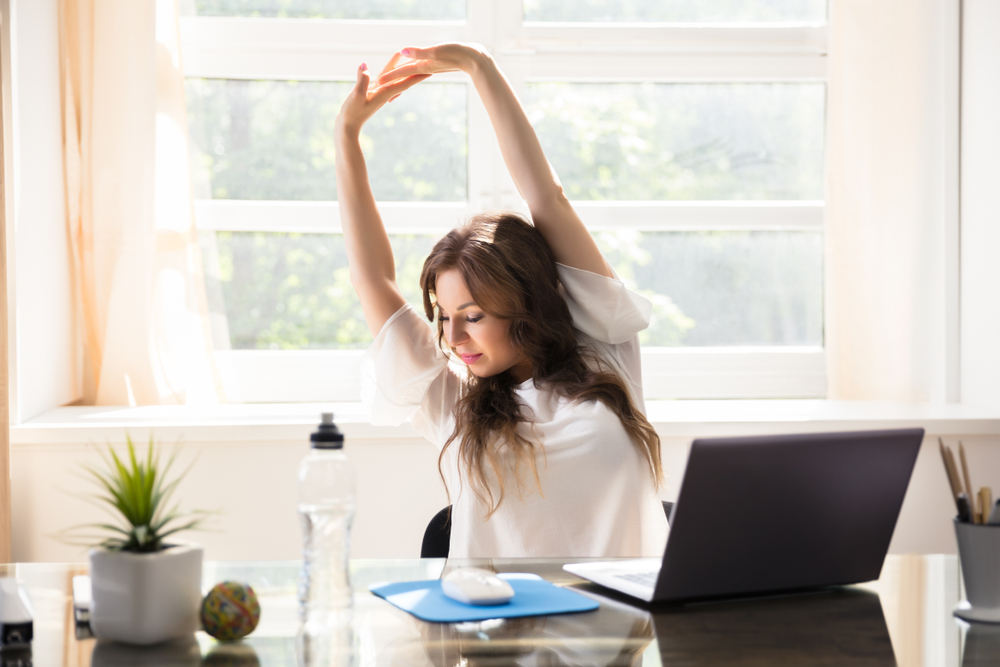

Sitting at a desk for eight hours a day feels harmless. But over time, low movement adds up. It affects your heart, blood sugar, posture, and mental health. The good news? Preventive health screening helps you catch problems early — before they become serious.
This guide is for anyone in Singapore who spends most of their day seated. Whether you work from home or in an office, these habits are worth building now.
Why Desk Workers Need to Pay Close Attention
When you move less, your body changes in quiet ways. You may not feel it at first. But risk factors like high cholesterol, elevated blood sugar, and high blood pressure can build up without obvious symptoms.
In Singapore, desk jobs are common. So is the habit of skipping health checks until something feels wrong. That’s the problem. Many conditions show no signs early on.
Regular screening fills that gap.
What Preventive Health Screening Should Cover
Blood Pressure
High blood pressure is called the “silent killer” for a reason. You can have it for years without knowing. Desk workers who eat out often and move little are at higher risk.
Get your blood pressure checked at least once a year. If it runs high, your doctor may suggest more frequent checks.
Blood Sugar
Sitting for long hours affects how your body handles glucose. Over time, this raises the risk of Type 2 diabetes.
A fasting blood glucose test or HbA1c test shows your average blood sugar levels. This is especially important if diabetes runs in your family.
Cholesterol Levels
A lipid panel checks your total cholesterol, LDL, HDL, and triglycerides. Poor diet and low activity are the two biggest drivers of bad cholesterol numbers.
If your results are borderline, your doctor can help you adjust your diet before things get worse.
Body Weight and Waist Measurement
Your BMI gives a rough picture, but waist size matters more. Excess fat around your middle — even in people who look slim — raises the risk of heart disease and diabetes.
In Singapore, health guidelines suggest keeping waist measurements below 90cm for men and 80cm for women.
Eye Health
Staring at screens for hours strains your eyes. Over time, it can affect your vision and increase the risk of dry eye conditions.
An annual eye check is worth adding to your list, especially if you spend more than six hours a day in front of a screen.
How Often Should You Go for Screening?
It depends on your age and health history. Here’s a rough guide:
Under 40, no known health issues:
- Basic health screening once every one to two years
- Blood pressure and cholesterol annually
40 and above:
- Annual screening is recommended
- Add a colorectal cancer screening (FIT test) from age 50
- Women should add mammograms from age 50 and Pap smears from age 25
Singapore’s Screen for Life programme subsidises many of these tests at Community Health Assist Scheme (CHAS) clinics. If you hold a CHAS card, costs are low or even waived. It’s worth checking what you’re eligible for.
Small Daily Habits That Support Your Health Between Screenings
Screening is a check-in, not a fix. What you do daily still matters.
Move Every Hour
Set a timer. Stand up, stretch, or walk for five minutes each hour. It breaks long periods of sitting and keeps circulation going.
Watch What You Eat at Your Desk
Desk workers often snack out of boredom. Swap sugary snacks for nuts, fruit, or a glass of water. It sounds simple because it is.
Sleep Seven to Eight Hours
Poor sleep raises cortisol levels, affects blood sugar, and increases appetite. Most working adults in Singapore are sleep-deprived. Better sleep supports everything else you’re trying to do.
Limit Alcohol and Cut Back on Salt
Both raise blood pressure. Most Singaporeans eat more sodium than recommended, largely through hawker food. You don’t have to cut it out — just be aware.
Conclusion
If you have a desk job, your health risks are real — but manageable. Building a habit of preventive health screening means you’re not waiting for a problem to find you. Go for your checks regularly, use the subsidised options available in Singapore, and pair that with small daily changes. That combination makes a bigger difference than most people expect.

Comments are closed.