
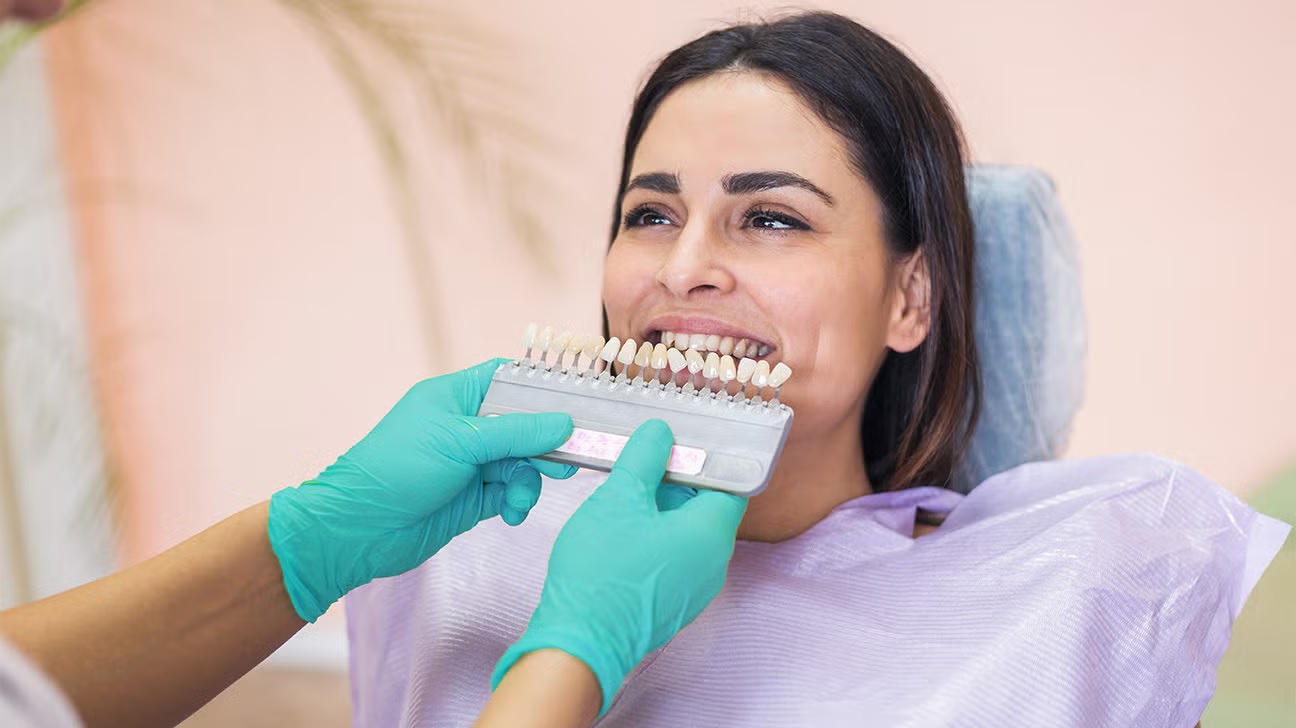

When you first learn that a dental crown might be necessary for your tooth, it is natural to focus on the immediate procedure. Most people consider the appointment for placement to be the end of the journey. However, a crown functions as a long-term clinical integration into your mouth. Viewing it as a restorative stage that evolves over time—rather than a static, one-time fix—helps you make more informed decisions about your oral health. For residents of the area seeking dental crowns in Fargo, ND, understanding this progression is a key part of maintaining a healthy smile for the long term.
Initial Integration and Early Adjustment
The first phase begins once the crown is placed. During the early days, it is normal to experience a period of sensory recalibration. Because a crown changes the exact shape and contours of the tooth surface, your tongue and jaw muscles may need a short time to adjust to the new dimensions. Many patients notice that their bite feels slightly different, or they might experience mild sensitivity to temperature changes.
This initial stage is the ideal time to focus on observation. If you feel that your bite is “high”—meaning the crown makes contact before your other teeth when you close your mouth—you should contact your provider. A quick adjustment can prevent future discomfort. For those seeking quality Fargo dental care, open communication with your provider during these first few weeks is essential for ensuring the restoration feels like a natural part of your mouth.
Adapting to Daily Maintenance Requirements
As the initial sensation fades, the focus shifts to long-term integration. A crown does not get cavities in the same way a natural tooth does, but the junction where the crown meets the gum line remains a critical area. This margin is where plaque can accumulate if not managed through consistent hygiene habits.
Maintaining dental crowns in Fargo, ND requires the same rigor you apply to your natural teeth. Brushing twice daily and flossing are non-negotiable, but the technique often becomes more important with a crown. Because the material of a crown may have a slightly different texture than natural enamel, being thorough with your floss ensures that you are effectively cleaning the interface where the crown meets the root. Many dental professionals recommend paying extra attention to the gum line, as healthy gums are the primary support system for any restoration.
Signs of Change and When to Consult a Professional
Over the coming years, you may notice subtle changes in how the crown functions. A well-placed crown is designed to withstand typical chewing forces, but it can be affected by changes in your overall oral environment. If you notice signs of gum recession near the crown, it can expose the edge of the restoration or the root surface, which may feel sensitive.
Other indicators that you should schedule an evaluation include a change in the fit of the crown, persistent food trapping in a specific area, or the feeling that the crown has become loose. Even if you do not have pain, these changes are often signs that it is time to have a professional assessment. Consistent Fargo dental care includes regular check-ups where your provider can examine the integrity of the crown and the health of the surrounding bone and tissue, catching minor issues before they become complex concerns.
Sustaining Long-Term Results
The longevity of a crown is often determined by the cumulative health of the tooth it protects and the surrounding structures. While crowns are durable, they are not immune to the stresses of daily use, especially if you have habits like clenching or grinding your teeth. If you suspect you grind your teeth at night, discussing a protective appliance with your dentist can significantly extend the lifespan of your restoration.
As the years pass, the goal is to keep the foundation of the crown—your own tooth and gum tissue—as healthy as possible. Think of your crown as a partner in your oral health; it provides the structural support you need, but it relies on your commitment to regular hygiene and professional care to remain successful. By staying proactive about your dental health and maintaining a relationship with a local practice, you ensure that the investment you made in your smile continues to serve you well.
The journey with a dental crown is characterized by steady maintenance rather than sudden changes. By observing how your mouth responds to the restoration, keeping up with consistent cleaning routines, and addressing small concerns early, you maintain the structural integrity of your teeth. For those exploring their options for dental crowns in Fargo, ND, the best long-term outcomes are typically achieved by those who view the process as a continuous commitment to oral health. The more you understand how your restorations behave over time, the more confident you can be in the health and longevity of your smile.

Comments are closed.