

The practice of yoga is frequently misconstrued in modern society as a purely physical discipline centered on flexibility and aesthetic postures. While the physical component, known as asana, is a vital aspect of the tradition, it represents only a small fraction of a comprehensive system designed to harmonize the body, mind, and spirit. At the very heart of this system lies the breath. In the classical tradition, yoga and breathwork are not merely related; they are inextricably linked, functioning as two sides of the same coin. The breath serves as the bridge between the conscious and subconscious mind, and mastering this bridge is the essential prerequisite for achieving the ultimate goals of the yogic path.
The Philosophical Roots of Pranayama
In the ancient Sanskrit language, the term for breathwork is pranayama. This word is composed of two roots: prana, which translates to life force or vital energy, and yama, which means control, expansion, or restraint. Therefore, pranayama is not simply the act of breathing, but the intentional regulation and expansion of the vital energy that animates the human body.
Classical yogic philosophy posits that prana is the fundamental fuel of existence. It is believed that the quantity and quality of prana one possesses dictate their physical health, mental clarity, and emotional stability. By consciously manipulating the rhythm, depth, and duration of the breath, a practitioner can influence the flow of this energy through the subtle pathways of the body, known as nadis. When these pathways are clear and the breath is steady, the mind naturally enters a state of calm, preparation for deeper meditative inquiry.
The Physiological Synchronization
While the philosophical perspective offers a profound understanding of breathwork, modern science increasingly validates the physiological impact of these ancient techniques. The connection between yoga and breathwork is grounded in the autonomic nervous system, specifically the interplay between the sympathetic and parasympathetic branches.
Most individuals live in a state of chronic sympathetic dominance, commonly referred to as the fight-or-flight response. This state is characterized by rapid, shallow breathing, elevated cortisol levels, and a constant sense of tension. Engaging in yogic breathwork acts as a powerful intervention. By slowing the respiratory rate and emphasizing the exhalation, practitioners stimulate the vagus nerve. This activation triggers the parasympathetic nervous system, responsible for the rest-and-digest response. As the heart rate slows and blood pressure stabilizes, the body shifts into a state of homeostasis, facilitating deep physical recovery and mental equilibrium.
Integrating Breath with Movement
The physical practice of asana, or yoga poses, is intended to be a moving meditation. The primary mechanism for achieving this meditative state is the deliberate synchronization of breath and movement, often referred to as vinyasa. In this context, the breath acts as an internal metronome.
When a practitioner moves into a pose, the breath provides the necessary support and feedback. For example, inhales are typically used to expand the chest, create length in the spine, and facilitate opening movements. Exhales, conversely, are utilized to ground the body, deepen forward folds, or transition into challenging postures. If the breath becomes ragged, strained, or held, it is a clear indicator that the practitioner has moved beyond their current capacity or has become distracted. By maintaining a smooth, steady, and audible breath, the practitioner ensures that they remain present and engaged, rather than drifting into thought or mechanical movement.
Breath as the Gateway to Mindfulness
The mind is notoriously difficult to tame. It is prone to wandering, fixating on past regrets, or obsessing over future anxieties. Breathwork provides a reliable anchor for this restless mind. Because the breath is an involuntary process that can also be consciously controlled, it exists at the intersection of our automated systems and our conscious awareness.
When a practitioner focuses on the sensation of air entering the nostrils, the rise and fall of the chest, and the slight pause between breaths, the mental chatter begins to quiet. This process of single-pointed focus, or dharana, is the precursor to meditation. By consistently returning the attention to the breath, yoga practitioners train their minds to remain in the present moment. This discipline transcends the yoga mat, allowing individuals to navigate the complexities of daily life with greater composure and clarity.
Common Breathwork Techniques in Practice
There are various techniques utilized within the yogic tradition, each designed to elicit specific physiological and psychological responses. Understanding these methods provides deeper insight into how breathwork informs the broader yoga practice.
-
Ujjayi Breath: Frequently used in flow-based yoga, this is often called the victorious breath. It involves narrowing the glottis to create a soft, ocean-like sound in the throat. This technique creates internal heat and helps maintain focus.
-
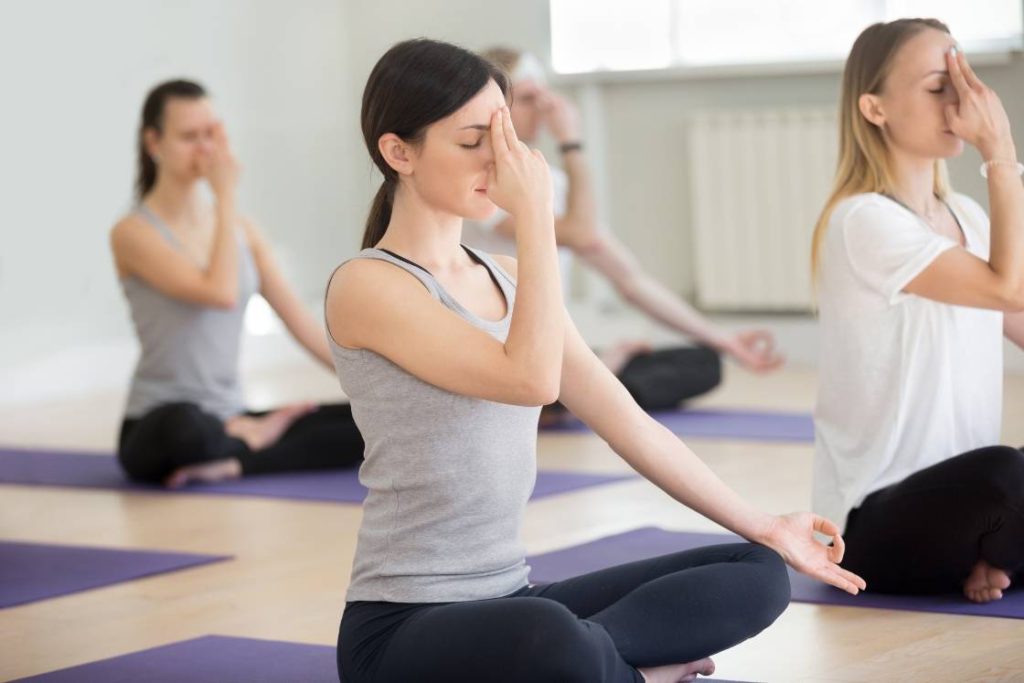
Nadi Shodhana: Known as alternate nostril breathing, this technique is designed to balance the left and right hemispheres of the brain. It is highly effective for reducing anxiety and promoting a sense of calm.
-
Kapalabhati: Often described as skull-shining breath, this involves forceful exhalations followed by passive inhalations. It is an energizing practice intended to clear the respiratory passages and invigorate the mind.
-
Bhramari: Also known as bee breath, this involves making a humming sound during exhalation. The vibration generated by this practice has a soothing effect on the nervous system and is excellent for calming the mind before sleep.
Elevating the Practice Beyond the Mat
The true utility of integrating breathwork and yoga is found in how it changes one’s engagement with the world outside the studio. The discipline cultivated through these practices eventually becomes a reflexive tool. When faced with stress, conflict, or exhaustion, the trained yogi instinctively shifts their breathing pattern. They recognize that their breath is a portable sanctuary that they can access at any time.
By understanding that breathwork is not just a precursor to physical exercise but a fundamental component of emotional regulation and mental clarity, practitioners move beyond the surface level of yoga. They begin to use the physical body as an instrument to access a more profound state of awareness. The breath becomes the medium through which the practitioner explores the landscape of their internal world, leading to greater self-awareness and personal growth.
Conclusion
The synergy between breathwork and yoga is not accidental; it is the cornerstone of a transformative discipline. By viewing the breath as the primary vehicle for both physical movement and mental stillness, the practitioner unlocks the full potential of the yogic tradition. Whether through the physiological benefits of nervous system regulation or the psychological benefits of sustained concentration, breathwork remains the indispensable companion to the physical practice. As practitioners continue to refine their breath, they find that the boundaries of their practice expand, revealing that the ultimate destination of yoga is not a perfectly held pose, but a perfectly unified state of mind.
Frequently Asked Questions
Can I practice breathwork if I have respiratory issues?
It is essential to consult with a medical professional before beginning any new breathing practice, especially if you have chronic respiratory conditions like asthma or COPD. Some techniques involve rapid breathing or breath retention that may not be suitable for everyone. Always prioritize safety and modify the practice to suit your specific health needs.
How long does it take to see the benefits of breathwork?
Many people experience immediate effects, such as reduced heart rate and a calmer mental state, after just a few minutes of conscious breathing. However, the cumulative benefits, such as improved stress resilience and enhanced lung capacity, typically develop with consistent, long-term practice over several weeks or months.
Is it better to practice breathwork before or after asana?
Both timings offer benefits. Practicing before asana helps to settle the mind and prepare the body for movement, while practicing after asana allows the body to integrate the energy and physical shifts generated during the pose practice, facilitating a deeper state of relaxation. Many practitioners choose to dedicate time to breathwork both at the beginning and the end of their sessions.
Can breathwork replace traditional exercise?
While breathwork offers significant health benefits, including improved cardiovascular efficiency and stress reduction, it is not a direct substitute for the physical demands of cardiovascular or strength-building exercises. It is best viewed as a complementary practice that enhances other forms of physical training by improving focus, stamina, and recovery.
What is the ideal time of day for these practices?
Early morning is traditionally considered the most auspicious time for both yoga and breathwork, as the environment is quiet and the mind is typically less cluttered. However, the best time is ultimately the time that allows for consistent practice. Whether it is morning, afternoon, or evening, regularity is more important than the specific hour.
Do I need to learn from a teacher to practice breathwork safely?
While many techniques can be learned through books or videos, working with a qualified teacher is highly recommended. A teacher can provide personalized guidance, correct improper technique, and ensure that you are practicing safely based on your individual constitution and health background. This reduces the risk of strain and ensures the practices are effective.

Comments are closed.