
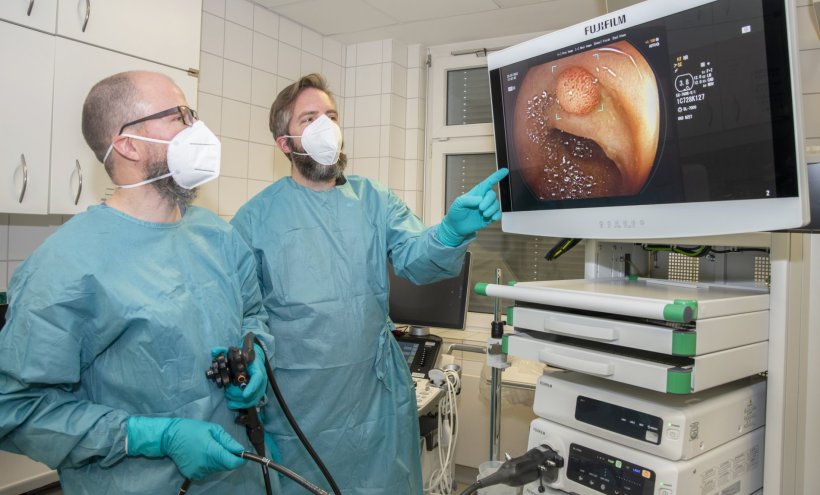

Colorectal cancer is one of the most preventable forms of cancer, thanks to early detection tools like colonoscopy. However, for individuals with certain genetic syndromes—such as Lynch syndrome, the risk is significantly higher, and regular colon cancer screening becomes a critical part of long-term health management.
What Is Lynch Syndrome?
Lynch syndrome, also known as hereditary nonpolyposis colorectal cancer (HNPCC), is a genetic disorder that increases the risk of developing various types of cancer, particularly colorectal cancer.
It results from inherited mutations in mismatch repair (MMR) genes, which normally help fix DNA replication errors. When these genes are faulty, mutations can accumulate, eventually leading to cancer.
People with Lynch syndrome have up to an 80% lifetime risk of colorectal cancer, often developing the disease at a much younger age than the general population.
Why Colonoscopy Screening Matters More for High-Risk Groups
In the general population, colorectal cancer screening typically begins at age 45 and is repeated every 10 years if no abnormalities are found. However, for those with high-risk genetic syndromes, such as Lynch, this timeline is drastically different. Screening may begin as early as age 20–25 and is usually repeated every 1–2 years.
The more frequent interval is necessary because cancers in these individuals can develop and progress rapidly. Colonoscopy is not just a preventive tool; it’s a lifesaving measure that can detect early-stage cancers or precancerous growths before they cause symptoms.
Signs That Suggest a Genetic Risk
Not everyone with colorectal cancer risk requires early or frequent screening. But there are several signs that might indicate an inherited syndrome like Lynch:
- A family history of colorectal cancer diagnosed before age 50
- Multiple relatives with colorectal or endometrial cancer
- Known cases of Lynch syndrome in the family
- A personal history of colorectal cancer at a young age
If any of these are present, genetic counseling and testing are typically recommended. A positive result for Lynch syndrome or similar conditions will lead to a customized colonoscopy screening schedule.
How Colonoscopy Helps in Early Detection and Prevention
Colonoscopy is the most effective method for detecting colorectal cancer early, especially in people with inherited risk.
During the procedure, a gastroenterologist uses a thin, flexible tube with a camera to examine the entire colon and rectum. If polyps (abnormal growths) are found, they can often be removed during the same procedure, preventing them from turning cancerous.
In Lynch syndrome, where the progression from polyp to cancer can be faster, removing these growths early significantly reduces cancer risk.
The Psychological Impact of Early Screening
Frequent medical tests can be stressful, especially for young adults who are otherwise healthy. Many people with Lynch syndrome begin colonoscopy screening in their twenties, which can lead to feelings of anxiety or isolation.
Support from genetic counselors, mental health professionals, and support groups can help individuals cope with the emotional burden. Understanding the reasons for early screening and its life-saving potential often brings a sense of empowerment and control.
Colonoscopy Screening vs. Other Screening Methods
While several tests are available for colorectal cancer screening—such as fecal immunochemical tests (FIT), stool DNA tests, or CT colonography—these are generally not recommended for high-risk individuals.
Colonoscopy remains the gold standard because it allows for direct visualization and removal of polyps during the same session. In high-risk syndromes like Lynch, missing even a small polyp can be dangerous due to the rapid pace at which cancer can develop.
Adherence to Screening Recommendations
One of the challenges in managing Lynch syndrome is ensuring consistent adherence to colonoscopy screening schedules.
Busy lives, fear of discomfort, or misunderstandings about risk can lead to skipped appointments. Healthcare providers play a crucial role in educating patients and making the process as smooth as possible, including discussing sedation options, recovery times, and what to expect.
Some clinics offer reminder systems and coordinated care pathways to help ensure regular follow-up.
Impact on Family Members
Because Lynch syndrome is inherited, the implications extend beyond the individual. Once a diagnosis is confirmed, close family members should also consider genetic testing. If they carry the mutation, they too will require early and frequent colonoscopy screening. Family-based prevention strategies can be highly effective, especially when supported by open communication and medical guidance.
Conclusion
Colonoscopy screening is one of the most effective tools in the fight against colorectal cancer, particularly for those with high-risk genetic syndromes like Lynch. For these individuals, the timeline and frequency of screening differ drastically from the general population, underscoring the importance of personalized healthcare.
By starting early and staying consistent, people with inherited risks can detect cancer in its earliest stages, or prevent it altogether, ensuring better outcomes and peace of mind for themselves and their families.

Comments are closed.