
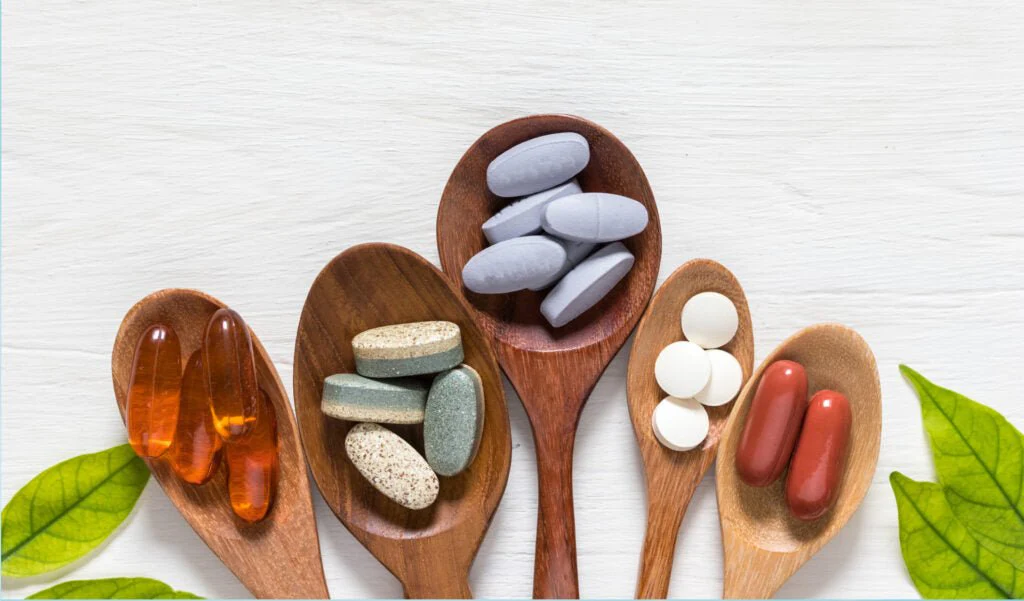

The modern supplement market has expanded into a multi-billion dollar global industry, promising everything from improved cognitive function to enhanced athletic performance and better sleep. With this growth has come an overwhelming abundance of choices, making it increasingly difficult for the average consumer to distinguish between high-quality, effective products and those that are either useless or, in some cases, harmful. Because supplements are not subject to the same rigorous pre-market testing and approval processes as pharmaceutical medications, the responsibility for verifying quality falls largely on the consumer. Understanding why quality matters and how to evaluate supplement safety is not just a matter of saving money; it is a critical component of managing your long-term health.
The Reality of the Supplement Industry
The primary challenge with supplements is the regulatory landscape. While they are monitored for safety and labeling accuracy, they are not treated as drugs. This means that supplement manufacturers do not have to prove their products are effective or safe before they reach the shelves. Problems arise when companies prioritize profit over purity, leading to issues such as inconsistent ingredient dosages, the presence of undisclosed contaminants, or even the inclusion of hidden synthetic compounds that are not listed on the label.
When you purchase a low-quality supplement, you risk more than just getting poor results. Contamination is a significant concern. Heavy metals like lead, mercury, and arsenic can be present in herbal supplements if the raw materials are grown in contaminated soil or processed in subpar facilities. Furthermore, because manufacturing standards vary wildly, a capsule that claims to contain a certain amount of an active ingredient might, in reality, contain significantly less—or nothing at all. Making informed choices requires looking past marketing claims and examining the practices that define a company’s manufacturing standards.
Identifying Third-Party Testing
The most reliable indicator of supplement quality is third-party testing. Because the industry is largely self-regulated, independent laboratory verification is the gold standard for safety. When a company voluntarily submits its products to a third-party lab, that lab tests the supplement to verify that it contains exactly what is on the label and that it is free from harmful contaminants such as heavy metals, pesticides, and microbial growth.
You should actively look for products that carry the seal or certification of reputable independent organizations. These seals serve as an objective audit of the product’s contents. If a company claims to be high-quality but refuses to disclose third-party testing results or lacks certification, you should be extremely cautious. Transparency is a hallmark of a responsible company; if they are not willing to provide proof of their testing, it is reasonable to question the integrity of their entire manufacturing process.
-
Look for Verifiable Seals: Familiarize yourself with the logos of organizations that perform independent testing for purity and potency.
-
Request a Certificate of Analysis: Many reputable companies will provide a Certificate of Analysis for a specific batch number upon request. This document details the exact laboratory findings for that particular lot of product.
-
Avoid “Proprietary Blends”: While not inherently dangerous, proprietary blends are often used to hide the fact that a company is using minimal amounts of expensive, high-quality ingredients and filling the rest of the capsule with cheaper fillers. Look for labels that disclose the exact dosage of every ingredient.
The Importance of Manufacturing Standards
Beyond testing the final product, you should consider the manufacturing environment itself. Reputable companies follow Current Good Manufacturing Practices, a set of regulations enforced to ensure that products are consistently produced and controlled according to quality standards. These practices cover everything from the sourcing of raw materials to the hygiene of the facility and the training of the personnel.
Companies that prioritize quality are often willing to share information about their supply chain. They can tell you where their ingredients were grown, how they were extracted, and what kind of testing was performed before the ingredients even reached the manufacturing facility. This level of traceability is rare in the budget supplement market. If a company can explain its sourcing and its commitment to quality control protocols, it is a strong signal that they are invested in the safety of their customers.
Reading Labels with a Critical Eye
A supplement label is a wealth of information, but only if you know how to read it. Many consumers make the mistake of focusing only on the “marketing front” of the bottle, ignoring the “Supplement Facts” panel on the back. The front of the bottle is meant to sell, while the back of the bottle is meant to inform.
First, check the ingredient list for unnecessary additives. High-quality supplements should be relatively clean. Avoid products that are loaded with excessive artificial colors, unnecessary sweeteners, or long lists of binders and fillers that serve no purpose other than to bulk up the capsule or improve its aesthetic. While some excipients are necessary for the stability of a tablet or capsule, excessive use can sometimes mask poor-quality raw materials.
Second, consider the form of the nutrients. Some forms of vitamins and minerals are more bioavailable—meaning they are easier for your body to absorb—than others. For example, certain forms of magnesium or B vitamins are absorbed more efficiently and are less likely to cause digestive issues. A company that puts effort into selecting the most bioavailable forms of nutrients is usually one that is also putting effort into the quality of its manufacturing processes.
The Trap of “Too Good to Be True”
We are all drawn to value, but in the world of supplements, extreme low prices are often a red flag. High-quality raw materials are expensive to source, and rigorous testing adds significant costs to the production process. When you see a supplement that is significantly cheaper than similar products from reputable brands, the cost reduction has to come from somewhere. Often, it comes from inferior raw materials, lack of testing, or inadequate manufacturing practices.
Instead of hunting for the lowest price, hunt for the highest value. A slightly more expensive product that is third-party tested and made by a company with transparent manufacturing practices is a much safer investment than a cheaper product that provides no assurance of safety or potency. Your health is the one area where the bargain-bin approach is rarely the wisest path.
The Role of Professional Guidance
It is essential to remember that even the highest-quality supplement is not a substitute for a healthy diet and lifestyle. Furthermore, some supplements can interact with prescription medications or have contraindications for certain health conditions. Before you add any new supplement to your routine, consult with a qualified healthcare provider. They can help you determine if you have a genuine deficiency, advise you on the correct dosage, and guide you toward brands that meet the safety and quality standards discussed here.
By taking an active role in how you choose your supplements, you protect your body from unnecessary risk and ensure that the efforts you are putting into your health are actually paying off. Quality is not just an abstract concept; it is the fundamental assurance that the product you are putting into your body is both safe and effective.
Frequently Asked Questions
Why do some supplements contain ingredients that are not listed on the label?
This is typically the result of poor quality control during the manufacturing process. It can occur if equipment is not cleaned properly between production runs, leading to cross-contamination, or if a supplier provides ingredients that are adulterated or misrepresented before they even reach the manufacturer.
What does the term “Standardized Extract” mean?
A standardized extract indicates that the supplement has been processed to ensure a consistent level of a specific active compound. This is important for herbal supplements, where the concentration of active ingredients can vary significantly based on the plant’s growth conditions, harvest time, and processing method.
Should I avoid all synthetic supplements?
Not necessarily. Synthetic vitamins are often chemically identical to their natural counterparts and can be highly effective. The concern should not be whether an ingredient is natural or synthetic, but rather its purity, potency, and the manufacturing practices used to create it. Some synthetic vitamins are produced with very high standards of purity.
How do I know if a company is reputable?
Look for companies with a long history of transparency, those that are willing to discuss their manufacturing and testing processes, and those that regularly provide third-party verification for their products. Avoid companies that use aggressive, pseudo-scientific marketing or that refuse to provide information when asked.
Why is expiration date important for supplements?
Potency degrades over time. Vitamins and minerals lose their stability and effectiveness as they age. An expiration date is not just a suggestion; it is the manufacturer’s guarantee of the product’s quality up to that date. Always check the expiration date and avoid using supplements that have passed it.
Can I trust reviews on online marketplaces?
Online reviews should be viewed with extreme caution. They can be easily manipulated or incentivized. While they might give you a general idea of customer experience, they are not a substitute for third-party lab testing or a company’s commitment to quality manufacturing.
Is “Made in the USA” a guarantee of quality?
While manufacturing in the USA can be an advantage because it means the company must follow certain regulatory requirements, it is not a guarantee of high quality. Many reputable manufacturers exist globally, and there are low-quality manufacturers in the USA as well. Focus on specific testing and certification rather than just the country of origin.

Comments are closed.