
The Evolution of Tooth Replacement: Why Today’s Dentures Are About More Than Restoring Appearance and Chewing Ability

For generations, dentures have represented an important solution for people experiencing partial or complete tooth loss. Traditionally, their purpose was straightforward: replace missing teeth, restore the ability to chew and provide a more natural-looking smile. Yet modern dentistry has expanded this understanding considerably. Today’s dentures are no longer viewed simply as artificial replacements. They are carefully designed restorations that can influence facial support, speech, nutrition, social confidence and overall quality of life.
This evolution reflects a deeper change in how dental professionals approach tooth replacement. Rather than concentrating exclusively on what has disappeared, contemporary restorative dentistry considers what patients need to regain: comfort, independence, confidence and the freedom to enjoy everyday experiences without constantly thinking about their teeth.
As materials, digital technology and treatment techniques continue to develop, dentures are becoming increasingly personalised. Their value lies not only in recreating a smile but also in helping people reconnect with the ordinary pleasures that make life feel complete.
Understanding the Changing Purpose of Dentures
Tooth loss can occur for several reasons, including advanced gum disease, extensive tooth decay, dental trauma and certain medical conditions. Regardless of its cause, losing natural teeth can affect several interconnected aspects of oral function.
Natural teeth help break down food, support clear speech and maintain important relationships between the jaws. They also contribute to the appearance of the lower face by supporting the lips and surrounding tissues.
When multiple teeth are lost, these functions can become more difficult. People may avoid certain foods, experience changes in pronunciation or feel uncomfortable smiling in social situations.
Modern dentures aim to address these challenges through individually designed prosthetic teeth and supporting structures. Depending on a patient’s needs, treatment may involve full dentures, partial dentures or implant-supported alternatives.
The objective is not simply to fill empty spaces. It is to restore a functional relationship between the teeth, gums, facial structures and everyday activities.
The Emotional Impact of Tooth Loss
One of the most overlooked aspects of restorative dentistry is the psychological experience associated with losing natural teeth.
These experiences can gradually influence social behaviour. Someone who once enjoyed dining with friends may begin avoiding restaurants because chewing feels difficult. Another person may become reluctant to smile naturally because they worry about how their teeth appear.
It is important to recognise that these responses are personal. Not everyone experiences tooth loss in the same way, and emotional adjustment can depend on age, circumstances, cultural expectations and individual confidence.
Well-designed dentures can help address some of these concerns by restoring facial support, improving speech and providing a more complete smile. However, the adjustment period also requires patience. Patients need time to become comfortable with the sensation of wearing a new appliance and to develop confidence using it.
Ultimately, successful tooth replacement should consider how someone feels as well as how effectively they can chew.
How Modern Denture Technology Is Changing Treatment
The development of dental materials and digital techniques has transformed the way dentures are designed and manufactured.
Traditional denture fabrication involves clinical impressions, bite registrations, laboratory construction and fitting appointments. These methods remain valuable, but digital workflows are introducing additional possibilities.
Intraoral scanners and digital design software can assist with recording oral structures and planning prosthetic shapes. Computer-aided manufacturing can also help produce certain denture components with consistent dimensions and repeatable precision.
Materials have evolved as well. Modern acrylic resins, reinforced components and carefully selected artificial teeth can contribute to improved appearance and function.
Another important consideration is personalisation. Dentures can be designed with attention to tooth shape, shade, alignment and facial proportions. This helps create a result that complements the patient’s appearance rather than looking unnecessarily artificial.
However, technology does not automatically guarantee comfort. The quality of the fit depends on accurate clinical assessment, appropriate design, the condition of the supporting tissues and adjustments made during the fitting process.
Comfort Is a Continuing Process, Not a One-Time Achievement
A denture that feels comfortable when first fitted may require adjustments as the mouth changes.
The jawbone and gum tissues naturally remodel following tooth extraction. Over time, these changes can affect the way a denture sits against the supporting structures. Weight changes, medical conditions and normal ageing may also influence oral tissues and appliance stability.
This is why regular dental reviews remain important, even when dentures appear to be functioning well.
A common question among denture wearers is: how often should you visit a dentist for denture adjustments?
There is no universal schedule because individual needs vary. During the initial fitting period, several follow-up appointments may be necessary to address pressure points, soreness and changes in how the dentures sit. Once the appliance is comfortable, regular dental examinations are generally recommended at least annually, although some patients benefit from more frequent reviews.
A dentist may recommend adjustments, relining or replacement depending on the condition of the appliance and the patient’s oral tissues.
Patients should not attempt to reshape dentures themselves using household tools or adhesives. Persistent soreness, looseness, clicking, difficulty chewing or mouth irritation should be assessed professionally.
Beyond Traditional Dentures: The Role of Implant Support
Another significant development in tooth replacement is the increasing use of dental implants to improve denture stability.
Conventional removable dentures rely on the shape of the gums and underlying ridges for support. Although many patients adapt successfully, others experience movement, particularly with lower dentures.
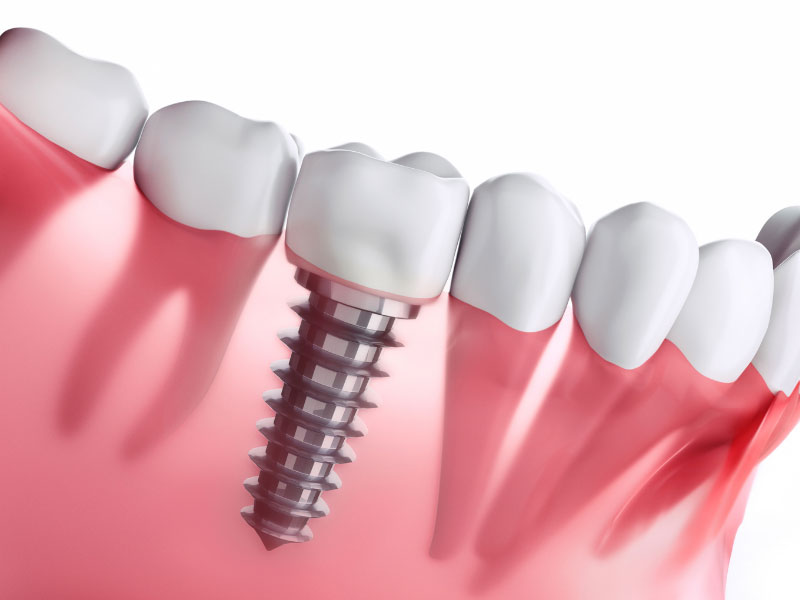
Implant-retained dentures offer an alternative. Small implants are placed in the jawbone and connected to a removable prosthesis through specialised attachments. This can improve retention and reduce unwanted movement during everyday activities.
In some cases, patients may also be suitable for fixed implant-supported restorations.
These approaches require careful assessment of bone availability, general health, oral hygiene and financial considerations. They are not appropriate for everyone, but they demonstrate how modern dentistry is moving towards more flexible and individualised solutions.
The Importance of Everyday Denture Care
Even the most sophisticated dentures require consistent maintenance.
Patients should clean their appliances daily using products specifically recommended for dentures. Ordinary toothpaste may be too abrasive for certain materials. Dentures should also be removed and cleaned according to professional instructions, with attention given to cleaning the gums, tongue and any remaining natural teeth.
Overnight removal is generally recommended to allow oral tissues to rest, unless a dentist provides different instructions for a specific clinical reason.
Regular examinations also allow dental professionals to check for tissue irritation, fungal infections, changes in the supporting jawbone and damage to the appliance.
Good denture care is therefore about protecting both the artificial teeth and the living tissues that support them.
A More Human Definition of a Restored Smile
The evolution of dentures tells a broader story about modern dentistry. Healthcare is increasingly recognising that successful treatment cannot be measured solely by technical performance. Comfort, independence, emotional wellbeing and the ability to participate confidently in everyday life are equally meaningful outcomes.
The emotional impact of tooth loss can extend well beyond physical discomfort. For some individuals, missing teeth become a source of embarrassment, particularly when they affect visible areas of the mouth. Others may feel anxious about eating in public, speaking during conversations or having their photographs taken.
Today’s dentures offer more possibilities than ever before, from personalised conventional appliances to implant-supported solutions. Yet their greatest achievement may be something less visible than their materials or design: helping people feel comfortable in their own expressions again.
A restored smile is not simply a collection of replacement teeth. It is an opportunity to enjoy meals without unnecessary difficulty, speak without hesitation and approach social situations with greater confidence.
Ultimately, the future of tooth replacement is not just about recreating what was lost. It is about understanding what people need to live comfortably, confidently and fully after tooth loss. That is the real measure of progress in modern restorative dentistry.
